

Published on January 20th, 2026
Empowering kinesthetic learners with interactive classroom tools
6 minute read
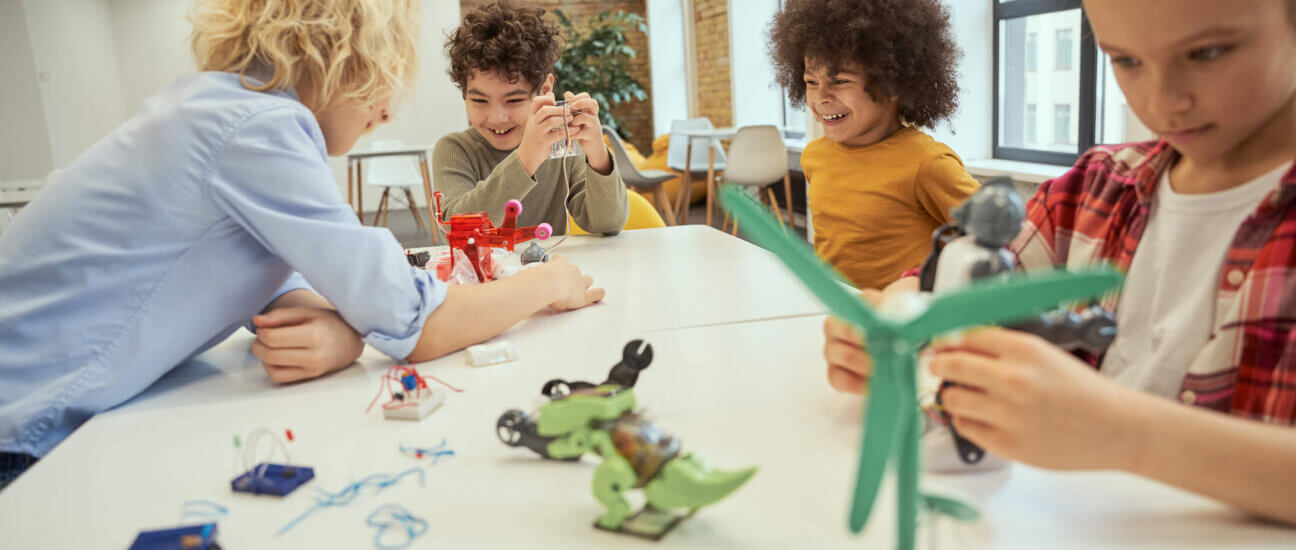
Some children learn best by listening, others by seeing, and others by doing. This last group is known as “kinesthetic” or “tactile” learners, and they absorb the most information by physically interacting with their environment.
Kinesthetic learners are a fascinating bunch, and they’re only growing in number. According to a study by professor Muneera Spence, auditory learners account for roughly 25% of the population, visual learners make up about 30%, and kinesthetic learners account for nearly 45% of the population.
Incorporating kinesthetic learning style in lesson plans is crucial for helping tactile learners absorb information. Keep reading to learn more about the kinesthetic learning style and how you can easily incorporate it in your classroom with Promethean’s intuitive smart panels for K-12 classrooms.
What is kinesthetic learning?
Kinesthetic learning requires students to physically touch or manipulate objects. By interacting with items in their environment, kinesthetic learners feel more connected with their surroundings, improving their ability to absorb new information.
While this type of learning is commonly associated with younger students, kinesthetic teaching techniques can (and should) be used in lessons at any age. Students who touch, move around, and create things are engaging in kinesthetic learning, but it’s important to remember that not all children will show the same traits in the same way.
Even the most dedicated bookworm needs hands-on activities occasionally, but a true tactile learner is easy to spot because they’re the first to jump in when an activity begins, often eager to move and participate right away.
Common characteristics of kinesthetic learners
Kinesthetic learners are often physically coordinated and curious. They don’t like sitting still for long periods of time and they may have trouble concentrating in oral lessons.
Of course, not every student who can’t sit still is a kinesthetic learner – some children just have extra energy. But most kinesthetic learners share many of the same characteristics.
Watch for these common characteristics of kinesthetic learners. If a student displays several of these defining traits, it’s a strong indicator that they learn best through movement, touch, and hands-on interaction.
- Prefers tangible rewards (stickers, candy, etc.)
- Uses hand motions and physical cues when speaking
- Enjoys participating in lessons and activities
- Often in motion
- Likes to be outdoors or in nature
- Eager to try new things
- Needs to physically work through problems
- Constantly plays with a classroom item or “fidget” toy.
Modern technology and education tools that help kinesthetic learners thrive
Advancements in educational technology have opened up a variety of new avenues for educators. These tools can be used to create a variety of targeted and multi-sensory learning experiences.
Educational software
Explosive development in edu-software over the last two decades changed how the average classroom functions. Modern educators use all types of programs and applications to manage their jobs more effectively, both from an administrative standpoint and from the educational side of things.
Programs like Freckle and Kahoot! help engage students. Meanwhile, Student Information Systems (SIS) like Infinite Campus or Gradelink give parents and students easier access to their records and educational performance.
Tablets
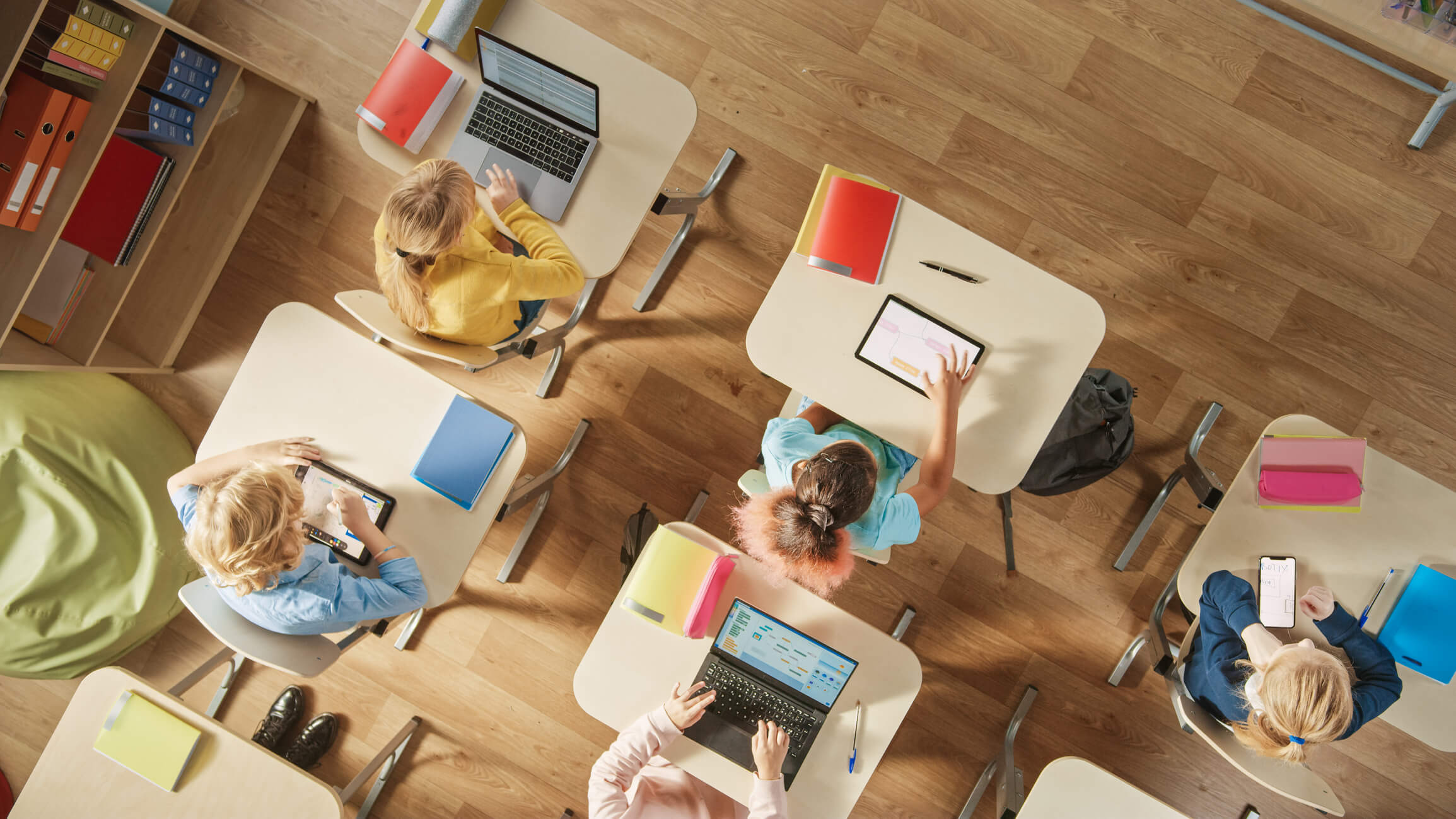
Tablets have proved to be an exceptionally flexible tool for educators. The ability to pre-load devices with apps and other learning tools helps educators provide a standardized learning experience – regardless of what a student’s access to technology might be like at home.
Interactive display boards / smart panels
For educators looking to make meaningful changes to their classrooms, smart panels open up many exciting new teaching opportunities.
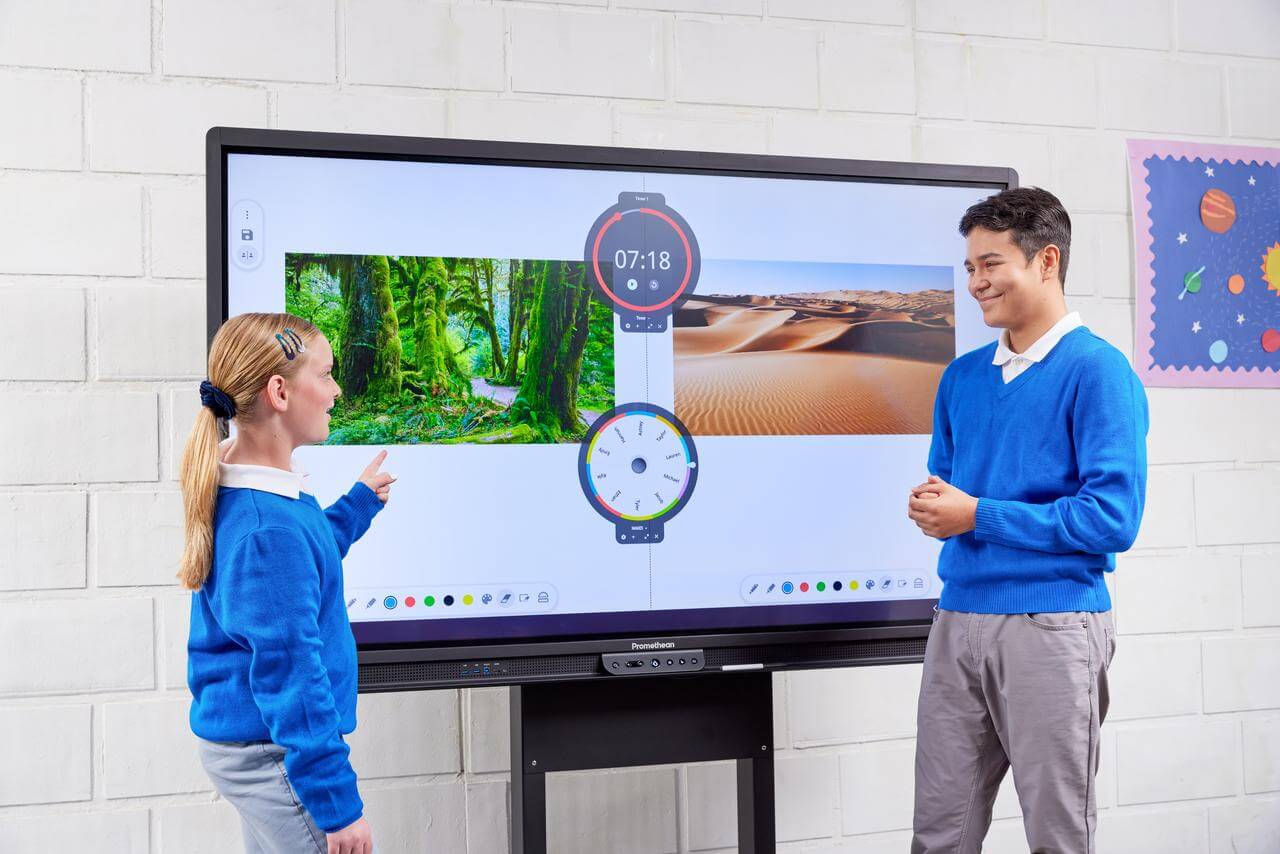
From screen sharing and recording to live video projection and simultaneous browser display, interactive display boards empower teachers. Educators will find more control over how they deliver their lessons and more appealing ways to engage students.
Professional interactive tools built to support every learning type
Helping students absorb lessons and connect ideas is at the heart of great teaching. Modern education tools now make it easier than ever to reach every type of learner.
By integrating interactive displays and software like Promethean’s ActivPanel, educators can design lessons that engage tactile, visual, and auditory learners alike. These tools create more inclusive classrooms where every student can thrive.
Request a live demo of the Promethean ActivPanel to see how interactive displays can support every learner.